HR Management vs Personnel Management
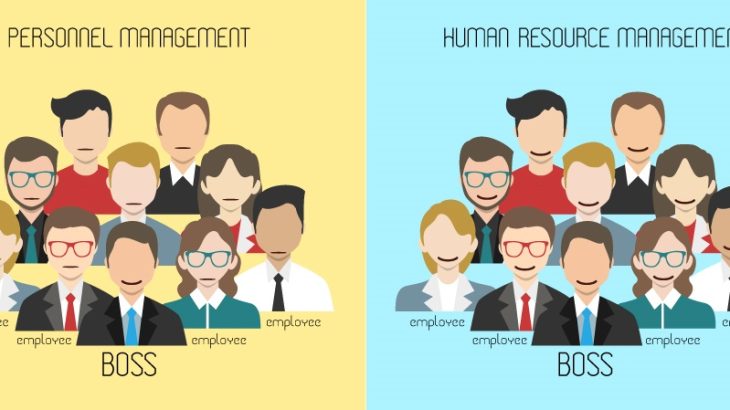
The distinction between Human Resource Management (HRM) and Personnel Management (PM) has long been a topic of debate among professionals. While some experts believe the two terms refer to the same function, others argue that HRM has evolved as a broader and more strategic concept than traditional Personnel Management. In everyday use, however, the terms are often used interchangeably.
The key difference lies in their approach, scope, and philosophy. Personnel Management primarily focuses on administrative and operational tasks, while Human Resource Management emphasizes strategic people management and organizational development.
Philosophical Difference
Personnel Management is traditionally seen as an administrative function, dealing with employee hiring, payroll, and compliance with labor laws. Its primary goal is to manage the workforce efficiently within established policies and procedures.
In contrast, Human Resource Management adopts a strategic and developmental approach. HRM views employees as valuable assets whose growth and engagement directly contribute to the organization’s success. It focuses on aligning workforce management with long-term business goals.
Scope of Functions
Personnel Management involves routine, day-to-day tasks such as:
- Managing employee records
- Handling salaries, bonuses, and compensation
- Ensuring compliance with labor and employment laws
Human Resource Management, however, goes beyond administration to include:
- Talent acquisition and workforce planning
- Training and development
- Performance management
- Organizational culture and employee engagement
- Strategic leadership development
Thus, HRM encompasses all Personnel Management duties while integrating modern people-management strategies to enhance productivity and innovation.
Reactive vs. Proactive Approach
Personnel Management is generally reactive – it responds to employee issues or organizational needs as they arise. For example, it may address grievances or fill vacancies only when necessary.
HR Management, on the other hand, is proactive. It anticipates workforce trends, plans for future needs, and continuously develops policies to improve employee performance, satisfaction, and retention. HRM emphasizes innovation, continuous improvement, and long-term workforce planning.
Organizational Involvement
In traditional organizations, Personnel Management functions are confined to the Personnel Department, with limited involvement from other departments.
In contrast, HRM is integrated into all levels of the organization. Senior leaders, department heads, and managers collaborate with HR to promote a culture of growth, teamwork, and skill development. This holistic involvement makes HRM a critical part of an organization’s overall strategy.
Employee Motivation and Rewards
Personnel Management typically motivates employees through monetary rewards – such as salaries, bonuses, paid leaves, and benefits. The focus is on ensuring employee satisfaction through financial compensation.
HR Management, however, adopts a more comprehensive approach to motivation. It recognizes the importance of both intrinsic and extrinsic factors – including career development, job enrichment, teamwork, recognition programs, and opportunities for creativity. HRM seeks to inspire employees through engagement, empowerment, and meaningful work experiences.
Conclusion
While Personnel Management focuses on administrative efficiency, Human Resource Management emphasizes strategic growth and employee development. HRM has evolved to become a core component of modern organizational strategy – aiming not just to manage people but to empower, motivate, and align them with business objectives.
In essence, Personnel Management manages employees, while Human Resource Management develops and leads them. This shift from administration to strategy marks the true evolution of the HR function in today’s competitive business environment.